In the 2026 remote-work landscape, "visuals get you noticed, but audio keeps you hired." While built-in laptop microphones have seen minor improvements, they still suffer from the same physics-based limitations: they are too far from your mouth and pick up every cooling fan hum and keyboard click in the room. For the enthusiast, a dedicated microphone is the single most effective upgrade for professional authority.
The current generation of productivity tools has moved beyond simple "plug-and-play." We now see hybrid XLR/USB connections for future-proofing and onboard DSP (Digital Signal Processing) that acts as a real-time sound engineer, stripping away background noise before it even reaches your computer.
The 2026 Meeting Microphone Power Rankings
Category | Winner | Key Strength | Connection |
|---|---|---|---|
Best Overall | Onboard Denoiser & "Auto Level" | Hybrid USB-C / XLR | |
Best for Noise Cancellation | Dynamic capsule for untreated rooms | Hybrid USB-C / XLR | |
Best for Desktop Use | Visible Mute LED & Gain Monitoring | USB-C | |
Best for Small Desks | Tight Supercardioid Pickup Pattern | USB-C | |
Best Budget King | Studio-grade condenser for $169 | USB-C |
The Professional Workhorse: Shure MV7+
Best For: The "Set and Forget" Professional Who Needs Studio Quality.
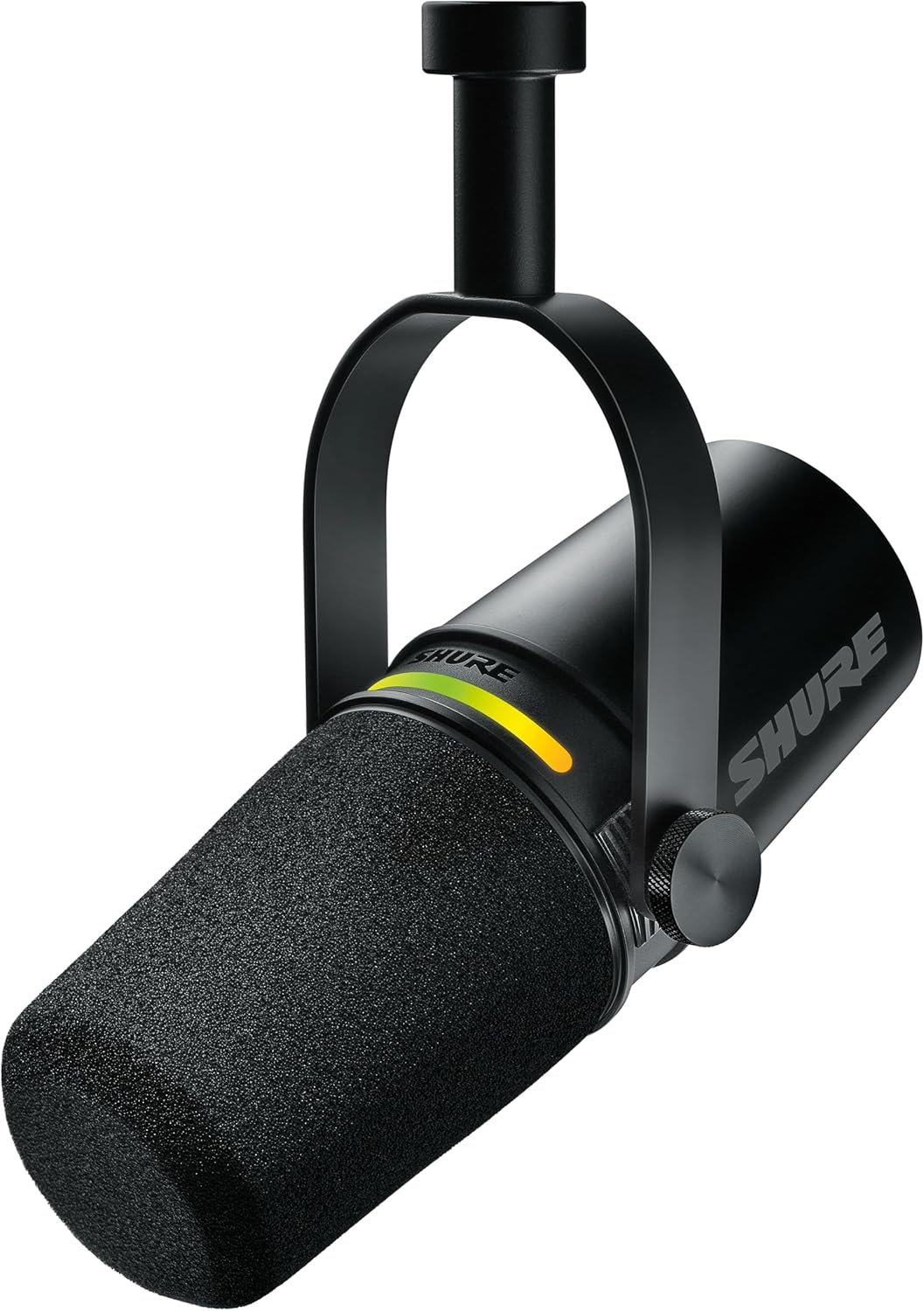
The Shure MV7+ is the undisputed king of the home office in 2026. Taking cues from the legendary SM7B, this hybrid microphone solves the biggest problem in remote work: inconsistent volume.
Auto Level Mode: Using internal AI, the mic constantly adjusts its gain in real-time. Whether you are leaning back in your chair or leaning in to whisper, your colleagues hear a consistent, broadcast-level volume.
Digital Popper Stopper: Shure has moved the "pop filter" into the software. It digitally eliminates those harsh "P" and "B" sounds (plosives) without needing a bulky physical mesh screen in front of your face.
Real-time Denoiser: Unlike software-based noise cancellation (like Zoom's), the MV7+ handles noise on the hardware itself, ensuring zero lag and a much more natural vocal tone.
The Room Tamer: Rode PodMic USB
Best For: Working in Noisy Living Rooms or Shared Spaces.
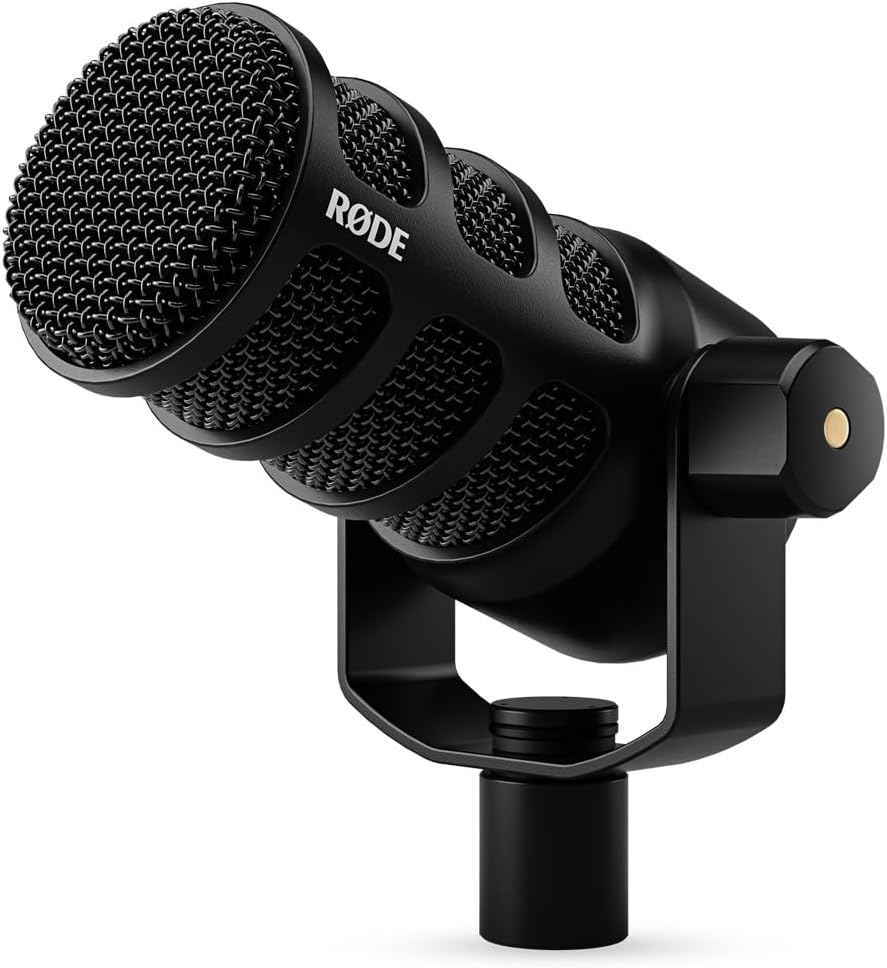
If your best home office setup is in a room with hardwood floors or echo, you need a dynamic microphone. The Rode PodMic USB is built specifically to ignore everything that isn't your voice.
Dynamic Excellence: Unlike "condenser" mics that pick up a pin drop three rooms away, this is a dynamic mic. It requires you to be close to it, which naturally rejects the sound of your barking dog or the neighbor's lawnmower.
Revolution Preamp: The internal USB-C circuitry is incredibly clean, providing enough "gain" (volume) without introducing the static hiss common in cheaper budget mics.
Built Like a Tank: It is made of solid brass. It feels like a piece of industrial equipment that will last a decade, and it includes a built-in "swing mount" for easy positioning on a boom arm.
The Visual Assistant: SteelSeries Alias Pro
Best For: Users Who Frequently Toggle Mute During Long Calls.
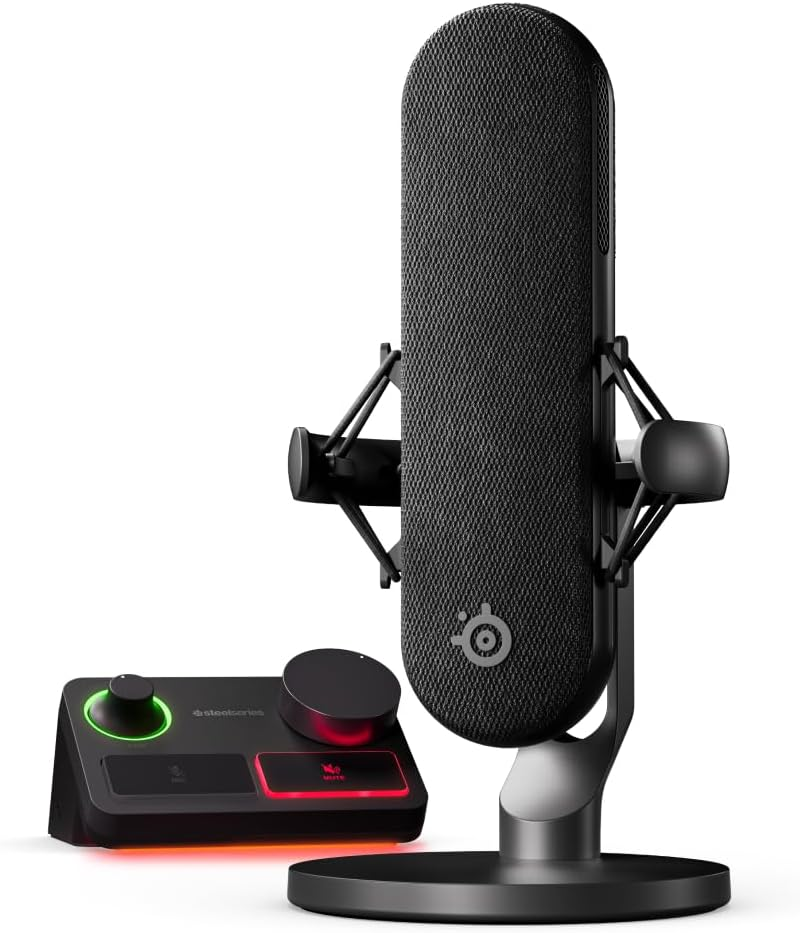
The SteelSeries Alias Pro is a newcomer that addresses the "Is my mic on?" anxiety. It is the most user-friendly USB microphone on the market for pure productivity.
LED Monitoring: The front of the mic features a hidden LED grid that shows your volume levels in real-time. If you get too loud, it turns red; if you are muted, a giant "X" appears. No more talking for five minutes while muted.
The Capsule: It uses a much larger condenser capsule than its competitors, which results in a deeper, "richer" voice that sounds like a professional radio broadcast.
Sonar Software: The included software allows you to "route" your audio, making it easy to play music in your headphones while ensuring only your voice goes to the Zoom call.
The Niche Specialist: Logitech Yeti GX
Best For: Enthusiasts with Mechanical Keyboards.
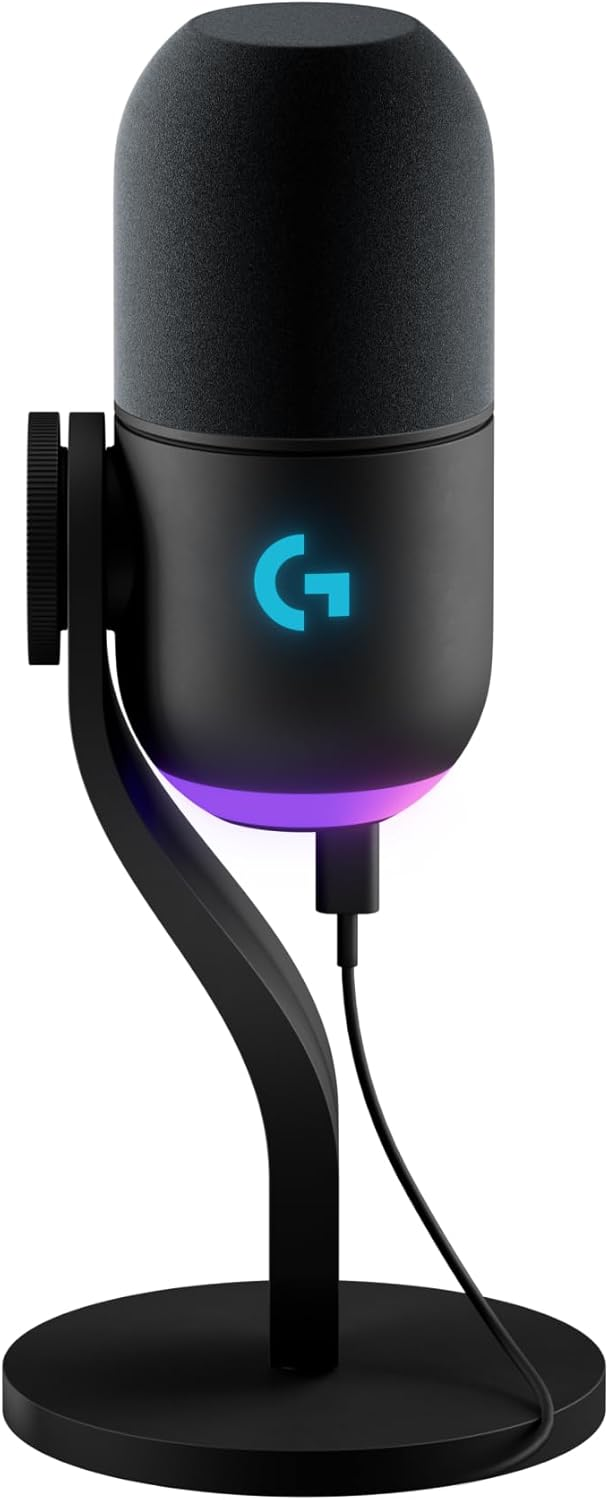
If you are a member of the "desk setup geek" community and use a loud mechanical keyboard, the Logitech Yeti GX is designed for you.
Supercardioid Pattern: Most mics use a "Cardioid" (heart-shaped) pattern. The GX uses a "Supercardioid" pattern, which is even narrower. It focuses exclusively on the area directly in front of the mic, effectively "silencing" the keyboard clicking behind it.
Smart Audio Lock: A physical scroll wheel on the mic allows you to "lock" your gain. Once you find your perfect setting, the mic uses an internal limiter to prevent you from "clipping" (distorting) if you get excited during a presentation.
Ecosystem: It fits perfectly into the G-Hub software, allowing you to match the RGB lighting to your workspace gear.
The Clarity King: Rode NT-USB+
Best For: High-Fidelity Voice Recording on a Budget.
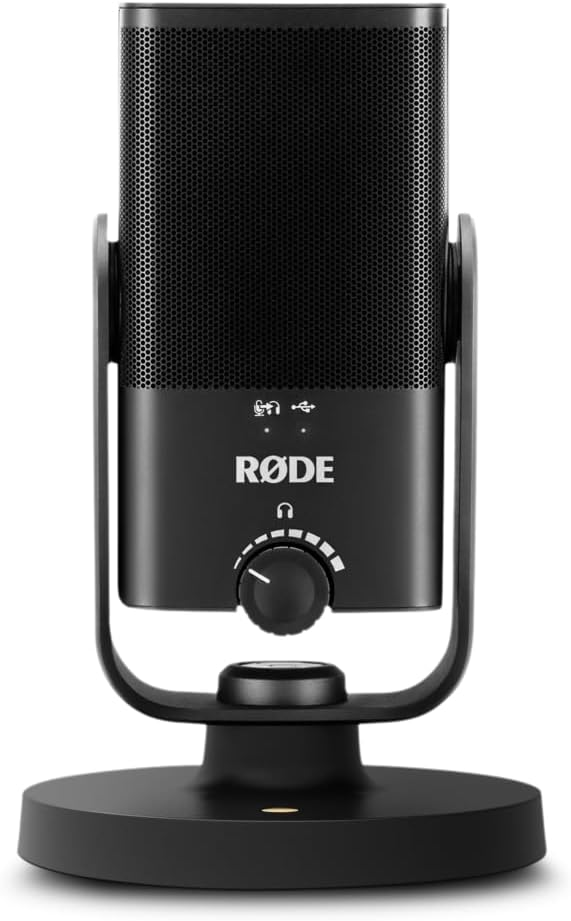
For those who want the "cleanest" possible sound and have a relatively quiet room, the Rode NT-USB+ is a masterpiece of value.
Condenser Detail: This mic captures the "air" and nuance in your voice. If you record voiceovers or podcasts in addition to meetings, this provides a level of detail that dynamic mics can't match.
All-in-One: It ships with a high-quality metal pop filter and a desktop tripod. You don't need to buy a single extra accessory to get professional results on day one.
Zero-Latency Monitoring: You can plug your headphones directly into the mic to hear yourself in real-time without the distracting echo/delay caused by computer processing.
Technical Gut Check: The Distance Rule
Even the best microphone for meetings will sound terrible if used incorrectly. Follow these enthusiast-level constraints:
The "Fist" Rule: For dynamic mics like the PodMic or Shure MV7+, your mouth should be roughly one "fist" away (3–5 inches). If you are 2 feet away, you will sound like you are in a hallway.
Boom Arm vs. Stand: Most desktop stands look clean but they transmit "desk thumps" every time you move your mouse or type. A boom arm (like the Rode PSA1+) decouples the mic from the desk, providing much cleaner audio.
USB vs. XLR: If you are just starting, stick to USB-C. Only move to XLR if you plan on using an audio interface to record music or multiple people in the same room.