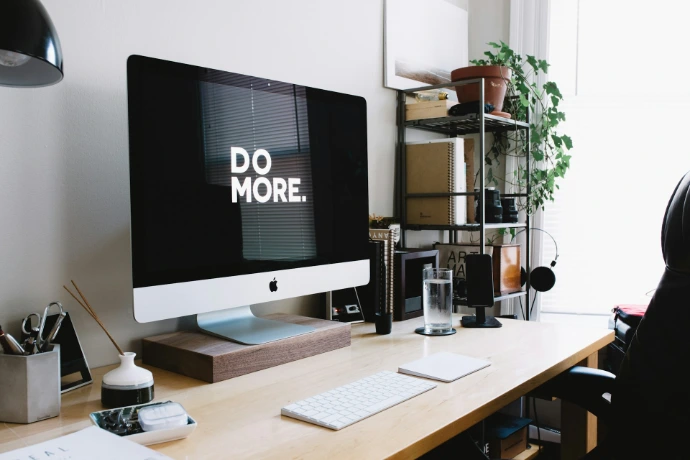
What Affects Productivity at a Desk Job
Productivity at a desk job is the result of multiple systems working together.
- Environment
- Tools
- Comfort
- Workflow
- Focus
- Energy
If one area is wrong, overall performance drops.
Common productivity problems:
- losing focus
- getting tired quickly
- slow input speed
- constant distractions
- messy workspace
- poor posture
- bad lighting
- unclear tasks
Improving productivity means fixing these small issues step by step.
Most professionals see the biggest improvement when they optimize their workspace first.
Workspace setup, comfort, tools, and environment all affect productivity at the same time.
Workspace Setup and Productivity
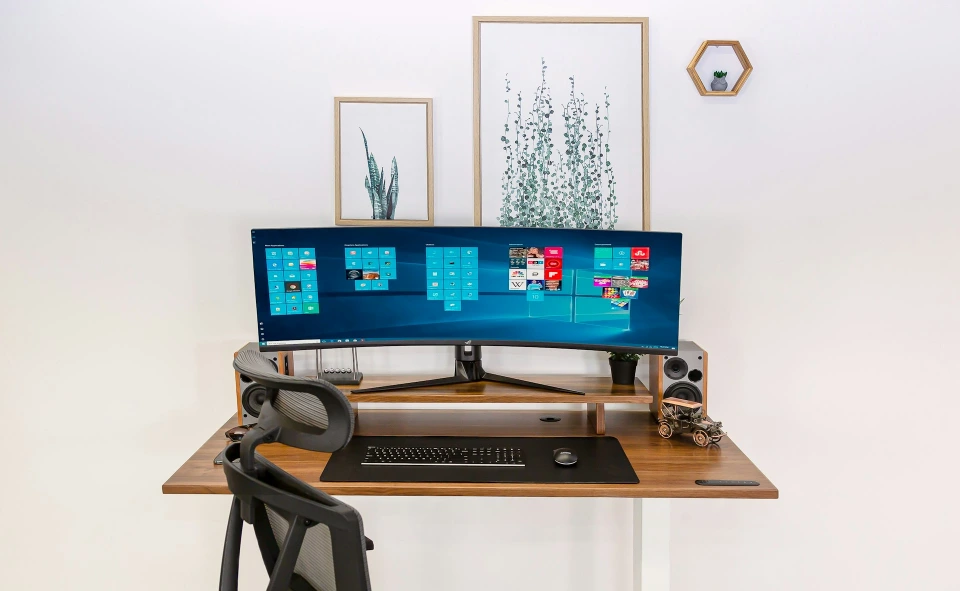
Your desk setup directly affects how long you can stay focused.
Bad setup causes:
- back pain
- eye strain
- hand fatigue
- low energy
- poor posture
Good setup allows
- longer focus
- less fatigue
- faster work
- more comfort
- better consistency
Most professionals see the biggest improvement when they fix their workspace first.
A proper workspace setup should also include ergonomic comfort and the right tools.
👉 Start here
- Desk setup guide
- Ergonomic workspace
- Standing desk guide
- Monitor setup guide
Tools That Improve Productivity
The tools you use every day have a direct impact on speed and comfort.
Important tools:
- keyboard
- mouse
- monitor
- chair
- headset
- desk accessories
Upgrading the tools you use every day is often the fastest way to improve productivity.
This is why many professionals invest in better keyboards, mice, and desk setups.
Better tools reduce friction and make work smoother.
Tools work best when combined with a good desk setup and ergonomic workspace.
👉 おすすめまとめ
- Best keyboards for work
- Best mouse for productivity
- Best office chairs
- Best desk accessories
- Work tools guide
Focus and Deep Work

Focus is not just a mental skill.
It is heavily influenced by your environment.
Even small distractions can break deep work.
Common focus problems:
- phone notifications
- background noise
- Visual clutter
- too many open tabs
- interruptions
To improve focus, reduce external interruptions first.
Focus improves naturally when your environment removes distractions.
Lighting, noise, and workspace layout are some of the biggest factors affecting focus.
Lighting, Noise, and Energy
Physical environment affects performance more than most people expect.
Bad lighting causes eye strain.
Noise breaks concentration.
Poor air flow causes fatigue.
Dark rooms reduce alertness.
These factors affect energy levels and mental clarity, not just comfort.
Optimizing your environment helps you stay productive for longer periods.
Environment optimization should be combined with ergonomic comfort and proper desk setup.
Things to improve:
- desk lighting
- room lighting
- Temperature
- air flow
- noise level
👉 おすすめまとめ
- Desk lighting guide
- Workspace comfort guide
- Desk environment tips
Workflow and Work System
Productivity is not just about tools.
It is about how work flows.
Inefficient workflow creates constant interruptions.
- switching tasks
- searching for files
- unclear priorities
- repeating manual work
- too many decisions
A good workflow reduces decision-making and keeps work moving.
A good workflow works best when your environment, tools, and setup are already optimized.
The goal is to reduce friction in how work moves from task to completion.
Professionals who work efficiently usually have a repeatable system for daily work.
Common Productivity Mistakes
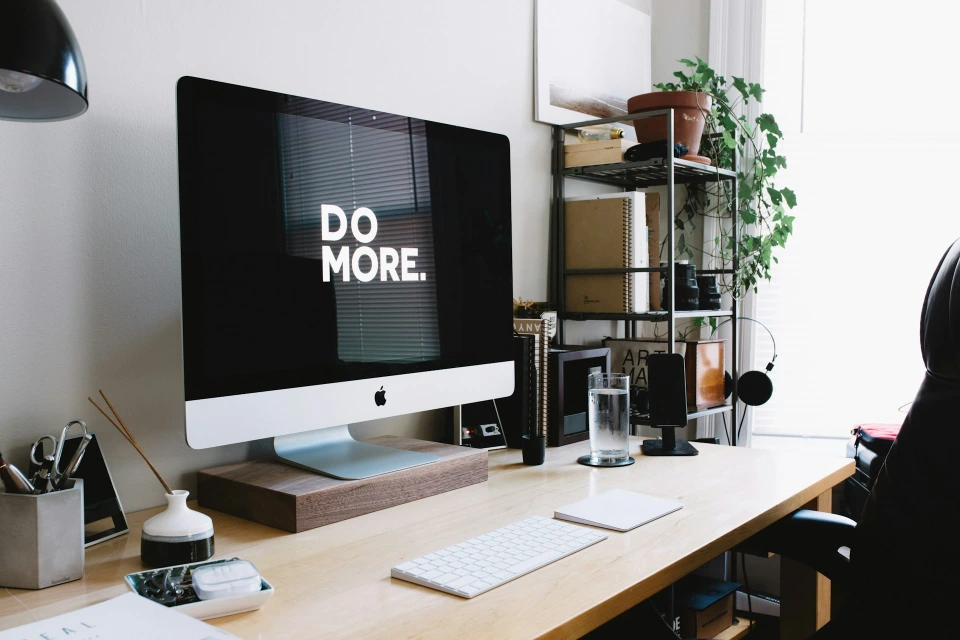
Many people try to fix productivity with apps or motivation instead of fixing the underlying system.
Common mistakes:
- bad chair
- typing on laptop only
- messy desk
- cheap mouse
- poor lighting
- no routine
- too many gadgets
- no workflow structure
These small inefficiencies compound over time and reduce performance every day.
Fixing the system is more effective than trying to work harder.
High productivity requires environment, setup, tools, comfort, and workflow working together.
Recommended Guides for Better Productivity
If you want to improve productivity, start with the areas that affect your daily work the most.
👉 Desk accessories guide
👉 Standing desk guide
You do not need to change everything at once.
Start with one improvement — and build a system that supports consistent, high-quality work.